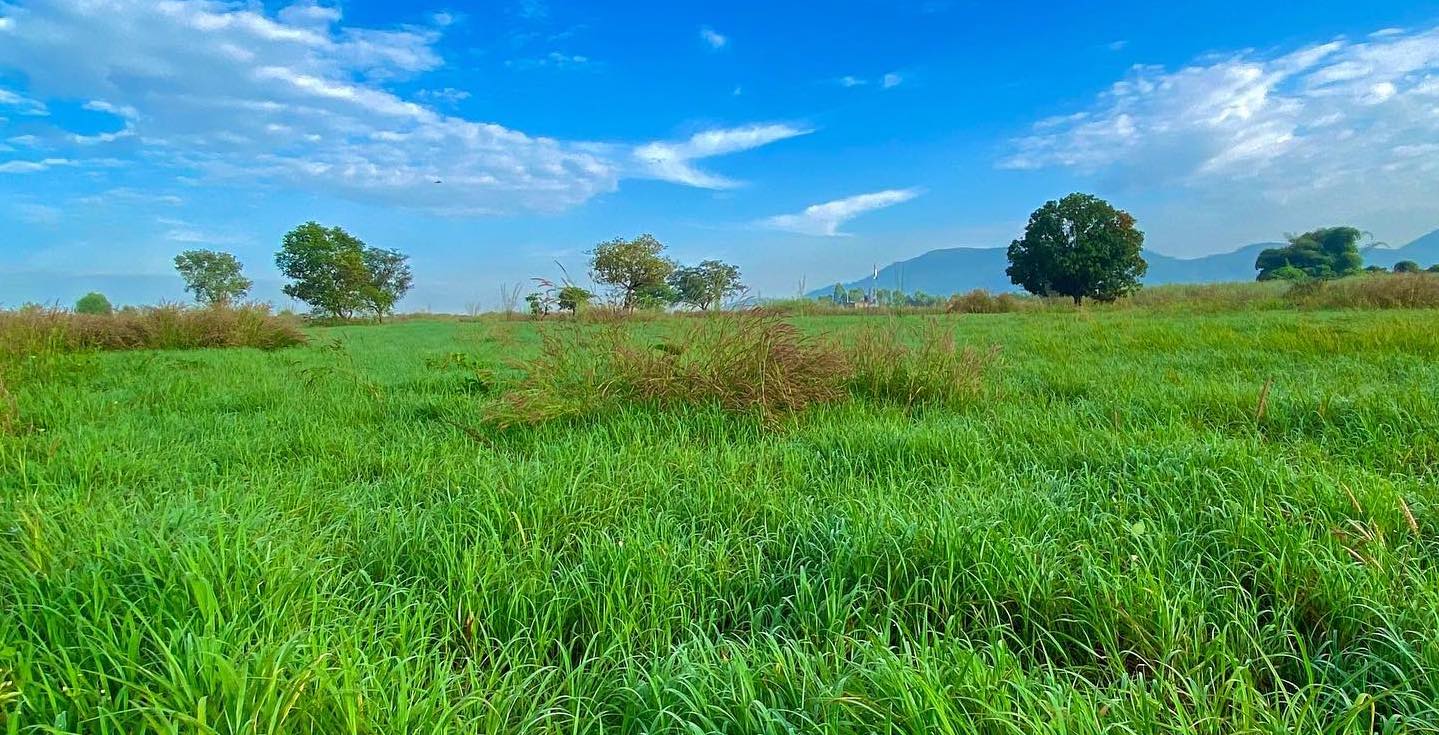
Livestock Grazing
We operate a rotational grazing model, allowing our cattle, sheep, and goats to feed on fresh, nutrient-rich Napier and Brachiaria pastures while giving the land time to rest and regenerate. This natural approach promotes soil health, reduces erosion, and enhances biodiversity across our fields.
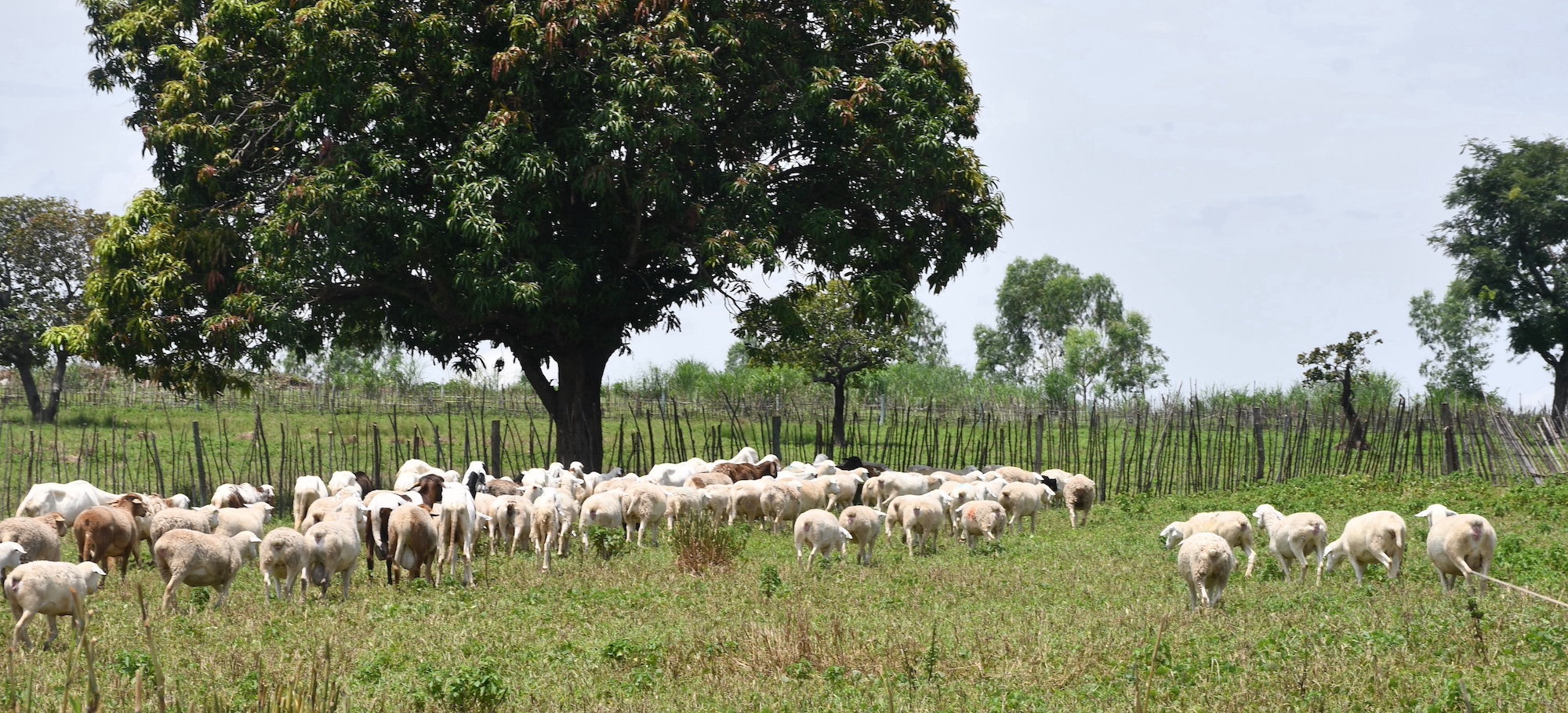
Our grazing system is setup in portions of Lots and Paddocks. Each Lot contains several Paddocks, each with it's own grass field. By managing grazing cycles carefully, we ensure optimal forage quality, balanced nutrition, and minimal environmental impact. Our livestock graze freely in open, stress-free environments, reflecting our belief that healthy animals and healthy land go hand in hand. Through thoughtful pasture management and regenerative practices, Almat Livestock maintains a thriving ecosystem where productivity and sustainability coexist in perfect balance.
Grazing FAQs
At Almat Livestock & Dairy, we practice a rotational grazing system, where animals are moved between paddocks to allow pastures time to rest and regenerate. This method improves soil health, prevents overgrazing, and ensures a continuous supply of fresh, nutritious forage for our livestock.
Our livestock graze primarily on Napier (Elephant) and Brachiaria grasses, which are rich in protein, fiber, and essential nutrients. These grasses are grown sustainably and form the foundation of our feeding system, supporting healthy growth, strong immunity, and high-quality meat and milk production.
Sustainable grazing helps maintain soil fertility, conserve water, and protect biodiversity while ensuring long-term productivity of the land. It also supports animal welfare by providing natural, open grazing environments—reflecting our commitment to eco-friendly and ethical livestock farming.